
Over the centuries, there have been many trends in pictorial art. Just think of Egyptian art, which rigidly depicted deities and pharaohs, or Romanticism which emphasized the expression of emotions, the individual and nature, or Impressionism, which tried to capture the light and atmosphere of outdoor scenes.
Abstract art emerged in the early 20th century with painters such as Kandinsky, Mondrian and Malevich.
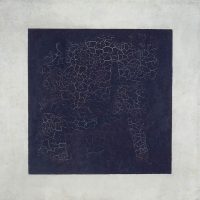
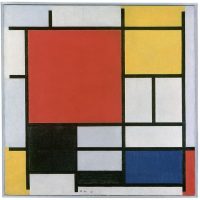
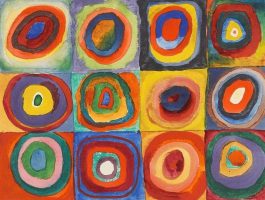
Abstract art is characterized by the absence of figurative representation or direct reference to reality. Instead of depicting objects, landscapes or people in a recognizable way, abstract artists use shapes, colors, lines and textures to express ideas, emotions and concepts in a non-figurative way. Abstract art allows artists to create works of art that are often open to the viewer’s personal interpretation.
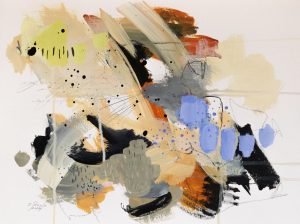

The different movements in abstract art
There are several movements in abstract art, each with its own characteristics and evolution over time. Here are just a few examples.
Geometric abstract art is characterized by the use of geometric shapes, straight lines and angles.
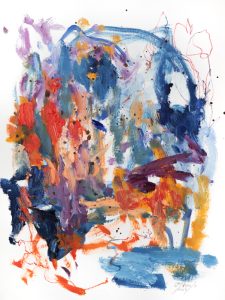
Abstract expressionist art emphasizes the expression of emotions through color, texture and gesture. It includes the sub-category of gestural art, characterized by a spontaneous, gestural approach to artistic creation, in which artists use rapid, expressive gestures to apply paint to canvas.
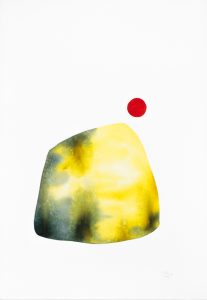
Minimalist abstract art: this trend is characterized by simplicity and reduction to the essential, using very simple forms, limited colors and uncluttered surfaces to create works of art that call for contemplation and reflection.
In conclusion
As you can see, abstract art is quite diverse, encompassing several movements that are not mutually exclusive. Many abstract artists have been influenced by several of these movements over the course of their careers. Others combine these movements in a single work. But one thing is constant: there is no figurative representation in abstract art.
Finally, abstract art became a widespread artistic movement, opening up new avenues for artistic creativity.

